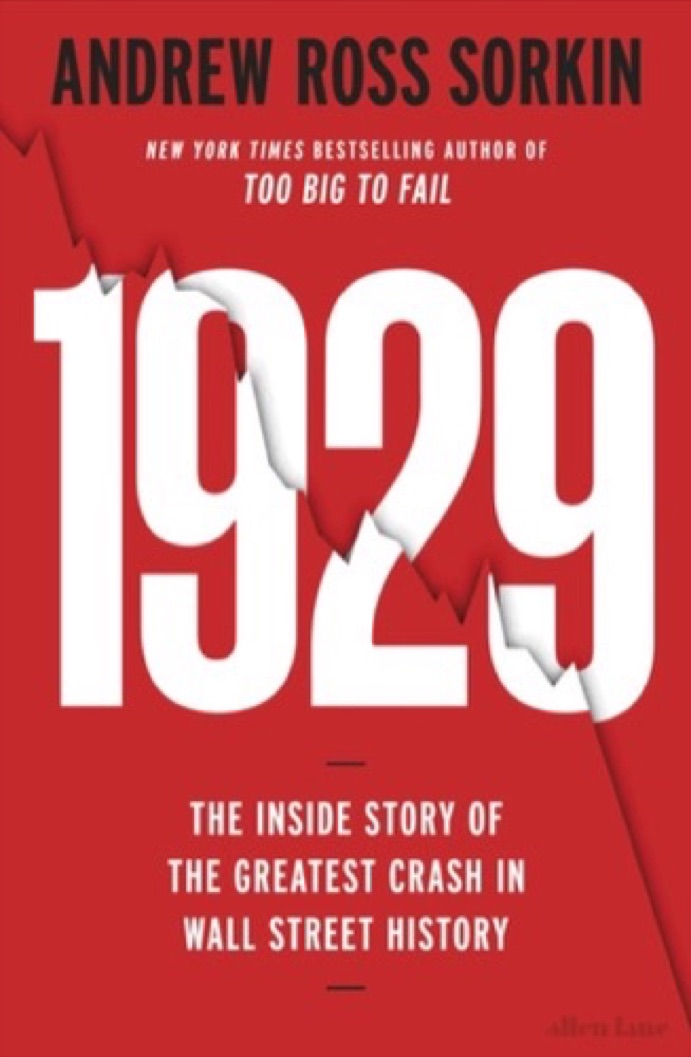
1929
Applying the lessons from "1929" by Andrew Ross Sorkin to your life can be a transformative exercise in developing institutional resilience and personal humility. Here are some ways you might integrate these lessons:
-
Guard Against Institutional Hubris: - You must recognize that no system, no matter how successful, is immune to failure or "too big to fail" in the long term. In leadership and entrepreneurship, maintain a healthy skepticism of "new eras" or disruptive trends that claim to have permanently solved old problems like risk or volatility.
-
Practice Financial and Operational Margin: - Just as margin calls destroyed investors in 1929, over-leveraging your time, capital, or reputation leaves you with zero room for error. Whether in the ER or the boardroom, ensure you always have a "reserve tank" of resources so that a single setback does not trigger a catastrophic chain reaction.
-
Develop a "Crisis Checklist" Mentality: - Borrowing from aviation, you should have pre-defined protocols for when things go south before the adrenaline of a crisis hits. The bankers of 1929 failed because they were reacting to the fire rather than following a suppression plan; you can avoid this by pre-morteming your projects and knowing your exit strategy.
-
Distinguish Between Noise and Signal: - In an age of instant information, you must cultivate the ability to remain calm when the "ticker tape" of life runs fast. Avoid the herd mentality that drives both irrational exuberance and irrational panic by rooting your decisions in data and long-term values rather than the ephemeral moods of the market or your peers.
-
Prioritize Transparency and Integrity: - The 1929 crash was exacerbated by a lack of transparency and backroom deals that eventually eroded all public trust. In law, medicine, and business, you must operate with a level of radical honesty that ensures your stakeholders remain confident in your leadership even when the outcomes are unfavorable.
-
Embrace the "Stay Humble" Philosophy: - The greatest lesson of the crash is that the higher the rise, the more necessary humility becomes. By remaining a lifelong learner and acknowledging the role of luck and timing in your success, you protect yourself from the blind spots that led the titans of Wall Street to their ruin.
By integrating these lessons, you can build a career and a life that is not only successful during the "roaring" times but is also structurally sound enough to withstand the inevitable downturns of the economic and personal cycles.
What the book covers
"1929" by Andrew Ross Sorkin is a cinematic and meticulously researched account of the most pivotal five days in financial history, leading up to and including the Great Crash of the New York Stock Exchange. Utilizing his expertise in high-stakes financial journalism, Sorkin reconstructs the internal dialogues, backroom deals, and psychological shifts of the men who controlled the levers of the American economy. The narrative serves as a historical prequel to the systemic failures Sorkin famously documented in the 2008 crisis, illustrating how the intersection of hubris, leverage, and a lack of regulation creates a recurring cycle of boom and bust. Ultimately, the book provides a visceral look at the moment the "Roaring Twenties" collided with reality, ending an era of unprecedented speculation and beginning a decade of global economic despair.
Summary:
-
The Myth of the New Era: - Sorkin begins by detailing the pervasive belief in the late 1920s that the United States had entered a "New Era" of permanent prosperity where traditional economic cycles no longer applied. This era was defined by the democratization of the stock market, where ordinary citizens—driven by the advent of buying on margin—poured their life savings into a market they did not fully understand, fueled by the conviction that prices could only move upward.
-
The Titans of 23 Wall Street: - The narrative centers on the powerful bankers at J.P. Morgan & Co., specifically Thomas Lamont, who attempted to act as the de facto central bank of the United States. Sorkin illustrates the intense pressure on these figures as they realized that the sheer volume of selling was overwhelming the private resources they had previously used to stabilize the market during smaller panics.
-
Black Thursday and the Banker's Pool: - On October 24, 1929, the first major crack appeared, leading to the formation of a "banker's pool" intended to support prices and restore confidence. Sorkin describes the dramatic moment when Richard Whitney, acting for the Morgan interests, walked onto the exchange floor to place massive bids on U.S. Steel, a symbolic gesture of strength that provided a temporary, albeit fleeting, reprieve from the carnage.
-
The Failure of Institutional Leadership: - As the weekend passed and the panic resumed on Black Monday and Tuesday, Sorkin highlights the paralyzing fear that gripped the financial establishment. Figures like Charles Mitchell of National City Bank and Albert Wiggin of Chase found themselves trapped by their own bullish rhetoric and personal leverage, revealing a profound lack of contingency planning for a sustained market retreat.
-
The Margin Call Death Spiral: - A key focus of the book is the mechanics of the collapse, specifically how the system of "margin buying" created an unstoppable feedback loop. As prices fell, brokers issued margin calls that forced investors to sell more stock to cover their losses, which in turn drove prices even lower, effectively liquidating the wealth of the American middle class in a matter of hours.
-
The Psychological Breaking Point: - Beyond the numbers, Sorkin explores the visceral human toll of the crash, documenting the transition from arrogant confidence to abject terror on the floor of the New York Stock Exchange. The book vividly portrays the physical and mental exhaustion of the clerks and brokers who were literally unable to keep up with the ticker tape, leaving the entire nation trading in the dark.
"1929" is a vital exploration of the fragility of financial systems and the danger of collective delusion. By humanizing the architects of the crash, Sorkin provides a timeless lesson on the necessity of regulatory guardrails and the enduring power of human fear and greed in shaping the global landscape.