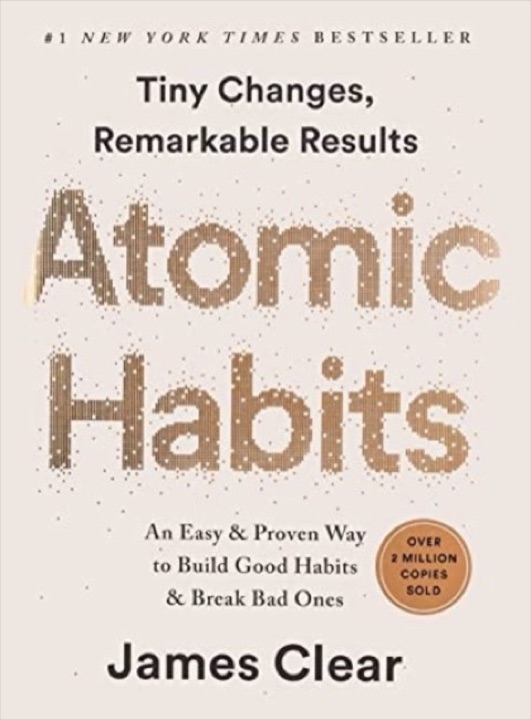
Atomic Habits: An Easy & Proven Way to Build Good Habits & Break Bad Ones
Applying the lessons from "Atomic Habits" by James Clear to your life can help you enhance your personal growth and achieve your aspirations. Here’s how you might integrate some of the key concepts from the book into your daily routine and mindset:
-
Focus on Small Changes: - Given your busy schedule and diverse interests, start by identifying one small habit you want to develop or change. For example, if you want to live more in the moment, you could start with a two-minute mindfulness practice each morning.
-
Identity-Based Habits: - Align your habits with your identity as a resilient, kind, and empathetic person. For instance, you could reinforce your identity by setting a daily intention to perform one act of kindness, no matter how small.
-
Utilize the Four Laws of Behavior Change: - Make It Obvious: Set visual cues in your environment to remind you of your new habits. For example, place a book you want to read on your desk to encourage more reading. - Make It Attractive: Pair a habit you want to develop with something you enjoy. If you want to exercise more, listen to your favorite music or podcast while working out. - Make It Easy: Break down your goals into manageable steps. If you want to try skydiving, start by researching local skydiving schools or talking to someone who has done it. - Make It Satisfying: Track your progress and celebrate small wins. Use a journal or app to note your achievements and reflect on your growth.
-
Design Your Environment: - Modify your surroundings to support your goals. For example, if you want to cook more, keep your kitchen organized and stocked with ingredients for your favorite recipes.
-
Focus on Systems, Not Just Goals: - Develop systems that support your desired habits. For instance, if you want to maintain a healthy lifestyle, create a weekly meal plan and exercise schedule that fits your routine.
-
Embrace Consistency: - Consistency is key to habit formation. Incorporate small, consistent actions into your daily routine, such as a gratitude practice before bed to reinforce positivity.
-
Track and Measure Progress: - Use habit tracking to maintain motivation. Consider using a journal or digital tool to track your habits and reflect on your progress regularly.
-
Adopt a Long-Term Perspective: - Be patient and persistent with your habits. Understand that meaningful change takes time, and focus on the journey rather than immediate results.
By integrating these strategies into your life, you can build habits that align with your values and aspirations, ultimately leading to personal growth and fulfillment. Remember, the key is to start small and be consistent, allowing your habits to compound over time for significant impact.
What the book covers
"Atomic Habits: An Easy & Proven Way to Build Good Habits & Break Bad Ones" by James Clear is a comprehensive guide on how to develop good habits and eliminate bad ones. The book is grounded in scientific research and offers practical strategies for making small changes that lead to significant improvements over time. Here’s a detailed summary of the book along with key takeaways and lessons:
Summary:
Introduction:
James Clear introduces the concept of "atomic habits," which are small, incremental changes that compound over time to produce remarkable results. He emphasizes that the key to success is not making radical changes but focusing on improving by just 1% every day.
The Fundamentals:
Clear outlines the four laws of behavior change, which form the backbone of the book. These laws are designed to make good habits more attractive and bad habits less appealing.
-
The 1st Law: Make It Obvious - Cue: The first step in building a habit is to make the cues that trigger your habits more obvious. Clear suggests strategies like habit stacking (linking a new habit to an existing one) and designing your environment to make cues more visible.
-
The 2nd Law: Make It Attractive - Craving: Habits are driven by a craving for change. Clear discusses the importance of making habits attractive by using temptation bundling (pairing an action you want to do with an action you need to do) and understanding the role of dopamine in habit formation.
-
The 3rd Law: Make It Easy - Response: To build a habit, you need to make it as easy as possible to perform. Clear introduces the two-minute rule, which suggests starting with habits that take less than two minutes to complete, and emphasizes the importance of reducing friction.
-
The 4th Law: Make It Satisfying - Reward: The final step is to make habits satisfying. Clear explains how immediate rewards can help reinforce habits and the importance of tracking progress to maintain motivation.
Advanced Tactics:
Clear delves into more advanced strategies for habit formation, such as the importance of identity and belief in sustaining habits. He argues that the most effective way to change your habits is to focus on who you wish to become, rather than what you want to achieve.
The Role of Environment:
The book emphasizes the significant impact of the environment on habit formation. Clear suggests designing your environment to support your goals and removing cues that trigger bad habits.
The Importance of Systems:
Clear argues that goals are important, but systems are more crucial for long-term success. By focusing on the process rather than the outcome, individuals can create sustainable habits.
Key Takeaways and Lessons:
-
Small Changes Lead to Big Results: - Focus on making small, incremental improvements. Over time, these small changes compound to produce significant results.
-
Identity-Based Habits: - Shift your focus from outcomes to identity. Ask yourself, "Who do I want to become?" and align your habits with that identity.
-
The Four Laws of Behavior Change: - Use the four laws (Make It Obvious, Attractive, Easy, and Satisfying) as a framework to build good habits and break bad ones.
-
Environment Design: - Structure your environment to make good habits easier and bad habits harder. Your environment can be a powerful ally in habit formation.
-
Focus on Systems, Not Goals: - While goals are important for setting direction, systems are what drive progress. Develop systems that support your desired habits.
-
The Power of Consistency: - Consistency is key to habit formation. Even small actions, when performed consistently, can lead to significant change.
-
Track and Measure Progress: - Use habit tracking to maintain motivation and measure progress. Seeing tangible evidence of your efforts can reinforce positive behavior.
-
Embrace the Long-Term Perspective: - Understand that habits are a long-term investment. Be patient and persistent, as the benefits of good habits compound over time.
"Atomic Habits" provides a practical and actionable framework for anyone looking to improve their habits and achieve lasting change. By focusing on small, consistent improvements and leveraging the power of identity and environment, readers can transform their habits and, ultimately, their lives.