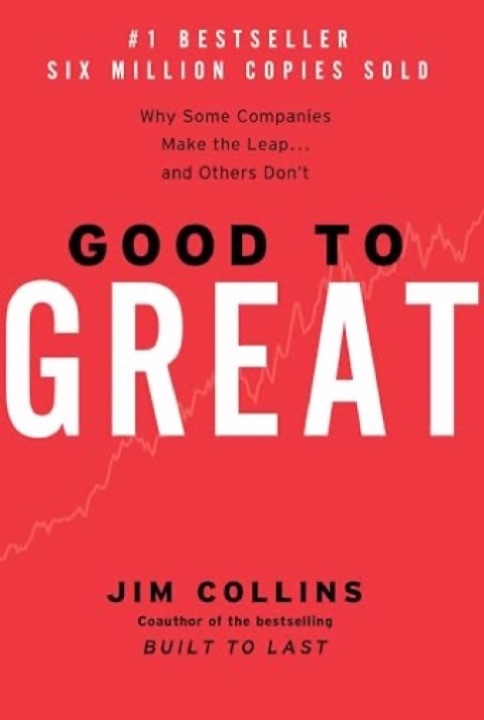
Good to Great: Why Some Companies Make the Leap...And Others Don't
Applying the lessons from "Good to Great" to your personal life can be a transformative process, much like it is for companies. Here’s how you might integrate some of the key concepts and findings from the book into your own life:
-
Level 5 Leadership: - Cultivate a blend of humility and determination in your personal endeavors. Focus on achieving your goals with a sense of purpose that transcends personal ambition. This aligns with your belief in kindness and empathy, as well as your desire to leave the world a better place.
-
First Who, Then What: - Surround yourself with the right people who share your values and support your aspirations. This could mean nurturing relationships with family and friends who encourage your growth and align with your core values of kindness and empathy.
-
Confront the Brutal Facts: - Be honest with yourself about your current reality, whether it’s in terms of personal growth, relationships, or health. This self-awareness can help you make informed decisions and adapt effectively, much like your approach to evaluating your daily wins and losses.
-
The Hedgehog Concept: - Identify what you are most passionate about, what you can excel at, and what drives your personal fulfillment. This could involve focusing on your strengths, such as resilience and humor, and pursuing activities that align with these, like flying, reading, or spending time with family.
-
Culture of Discipline: - Maintain a disciplined approach to your daily routine and personal goals. Your structured morning routine and commitment to personal growth reflect this principle. Continue to engage in activities that promote discipline, such as regular exercise and self-reflection.
-
Technology Accelerators: - Use technology to enhance your personal growth and efficiency. This could mean leveraging tools and resources that support your interests and goals, such as using fitness apps for your workouts or technology to stay connected with loved ones.
-
The Flywheel and the Doom Loop: - Recognize that personal growth and achievement are gradual processes. Celebrate small victories and maintain consistent effort toward your goals, whether it’s living in the moment or pursuing new experiences like skydiving.
By integrating these principles into your life, you can strive for personal greatness in a way that aligns with your values and aspirations. Remember, much like the companies studied in "Good to Great," your journey is about sustained effort and focus over time.
What the book covers
"Good to Great: Why Some Companies Make the Leap...And Others Don't" by Jim Collins is a seminal work in the field of business management and strategy. Published in 2001, the book explores why some companies transition from being merely good to truly great, while others do not. Collins and his research team conducted a five-year study analyzing 1,435 companies to identify those that made the leap to greatness and sustained it for at least 15 years. They narrowed it down to 11 companies and identified key principles that distinguished these companies from their peers.
Key Concepts and Findings:
-
Level 5 Leadership: - Great companies are led by "Level 5 Leaders," who possess a unique blend of humility and professional will. These leaders are ambitious for the company, not themselves, and they focus on building enduring greatness.
-
First Who, Then What: - Successful transformations begin by getting the right people on the bus (and the wrong people off the bus) before deciding on the direction. The emphasis is on assembling a team of the right people first, then figuring out the strategy.
-
Confront the Brutal Facts: - Companies that go from good to great confront the brutal facts of their current reality. They create a culture where the truth is heard and addressed, which allows them to make informed decisions.
-
The Hedgehog Concept: - Great companies simplify their strategy into a single organizing idea, known as the Hedgehog Concept. This concept is based on understanding what they can be the best in the world at, what drives their economic engine, and what they are deeply passionate about.
-
Culture of Discipline: - A culture of discipline is essential for greatness. This involves disciplined people who engage in disciplined thought and take disciplined action. Bureaucracy is minimized because the right people are in place, and they are self-motivated.
-
Technology Accelerators: - Technology is used as an accelerator of momentum, not a creator of it. Great companies carefully select and pioneer technology that aligns with their Hedgehog Concept.
-
The Flywheel and the Doom Loop: - Transformations follow a process akin to pushing a giant flywheel. Success builds gradually and cumulatively, with no single defining action. Conversely, companies that fail to make the leap often fall into the "doom loop," characterized by erratic, short-lived efforts.
Key Takeaways and Lessons:
- Leadership Matters: The role of leadership is crucial, but it requires a specific type of leader who combines humility with fierce resolve.
- People First: Prioritizing the right team members is more important than setting a vision or strategy.
- Embrace Reality: Facing the brutal facts allows companies to make informed decisions and adapt effectively.
- Simplicity in Strategy: Focusing on what you can be the best at, what drives your economic engine, and what you are passionate about leads to clarity and success.
- Discipline is Key: A disciplined culture ensures that the company remains focused and efficient without unnecessary bureaucracy.
- Technology as a Tool: Use technology to enhance and accelerate existing momentum, not as a primary driver of change.
- Sustained Effort: Building greatness is a gradual process that requires consistent effort and focus over time.
"Good to Great" provides a framework for understanding how companies can achieve and sustain greatness. It emphasizes the importance of leadership, disciplined people, and a clear, focused strategy. The book's insights are applicable not only to businesses but also to individuals and organizations seeking to achieve excellence.