U.S. Intelligence and the Nazis
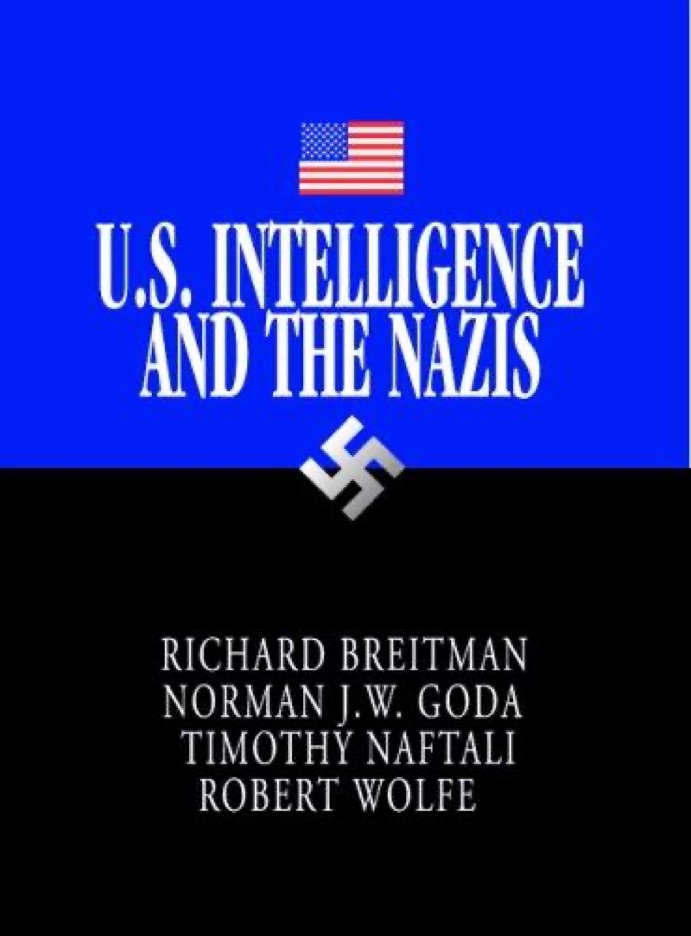
Applying the lessons from "U.S. Intelligence and the Nazis" by Richard Breitman, Norman J. W. Goda, Timothy Naftali, and Robert Wolfe to your life can be a profound exercise in understanding the delicate balance between pragmatism and integrity. Here are some ways you might integrate these lessons:
-
Guarding the Moral North Star: - In leadership and venture capital, you will face situations where a "win" is possible through a compromise of your core values. This history warns that such compromises often have a long tail of negative consequences; you must ensure that your strategic decisions today do not become the ethical liabilities of your future.
-
The Danger of the "Problematic Asset": - Whether in entrepreneurship or medicine, you may encounter individuals who are highly skilled but ethically compromised. The recruitment of Nazi intelligence officers proves that relying on "talented" but unprincipled people inevitably degrades the culture and credibility of your entire organization.
-
Radical Transparency as a Corrective: - As an attorney and pilot, you understand that hidden errors lead to catastrophe. You should champion a culture of transparency where "declassified" information—meaning open communication about failures and past mistakes—is used to improve current operations rather than being buried to protect the ego of the institution.
-
Counteracting Confirmation Bias: - The U.S. intelligence community often ignored reports of the Holocaust because it didn't fit their narrow military objectives. You must actively seek out "disconfirming" evidence in your business ventures and clinical practice to ensure you aren't ignoring a brewing crisis because it isn't currently your primary focus.
-
Avoiding Strategic Short-Termism: - The decision to protect war criminals was a short-term tactical move for the Cold War that caused decades of moral and legal damage. You should evaluate your investments and healthcare initiatives not just by their immediate ROI, but by how they will be viewed by stakeholders and historians twenty years from now.
-
Institutional Accountability: - Use your role as a leader to establish systems where no individual or department is above the law or the organization’s ethical code. Ensure that your "intelligence" (data and reporting) is never used to justify behavior that contradicts the "Stay Humble" mantra of your personal and professional life.
By integrating these lessons, you can build organizations and a legacy that are not only successful but are also resilient against the erosive effects of moral expediency.
What the book covers
"U.S. Intelligence and the Nazis" by Richard Breitman, Norman J. W. Goda, Timothy Naftali, and Robert Wolfe is a comprehensive scholarly investigation into the archival records of the American intelligence community’s interactions with Nazi war criminals. Drawing from millions of pages of declassified documents released under the Nazi War Crimes Disclosure Act, the book explores the moral and strategic compromises made by U.S. agencies during and after World War II. It serves as a definitive account of what the United States knew about the Holocaust as it happened and how it later leveraged former enemies as assets in the burgeoning Cold War.
Summary:
-
The Mandate of the Interagency Working Group: - The book is the culmination of years of research by the Interagency Working Group (IWG), established to oversee the declassification of over eight million pages of documents. The authors detail the bureaucratic struggle to open these files, which revealed the extent to which agencies like the CIA and FBI shielded their relationships with former Nazi officials from public and congressional scrutiny for decades.
-
Early Intelligence and the Final Solution: - A primary focus is what U.S. intelligence knew during the war. The records demonstrate that through intercepted German police communications and early reports from the OSS, Washington had detailed evidence of the mass murder of Jews as early as 1941. This section argues that the failure to act or prioritize this information was a result of institutional focus on military victory over humanitarian intervention.
-
Recruitment of the Gehlen Organization: - The authors analyze the controversial decision to employ Reinhard Gehlen, former head of Nazi military intelligence on the Eastern Front. By absorbing Gehlen’s network, the U.S. gained a ready-made spy apparatus against the Soviets but at the cost of providing immunity and salaries to hundreds of individuals with direct ties to war crimes and the SS.
-
The CIC and the Ratlines: - The narrative explores the activities of the Counter Intelligence Corps (CIC) and its role in managing "assets" in post-war Europe. This included the use of Klaus Barbie, the "Butcher of Lyon," and the facilitation of escape routes, or "ratlines," which allowed high-ranking Nazis to flee to South America to avoid prosecution in exchange for their cooperation against communist threats.
-
Economic Interests and Looted Gold: - The research dives into the "Safehaven" program, which sought to track and recover Nazi assets hidden in neutral countries like Switzerland and Sweden. The authors show how intelligence agencies often prioritized the stability of the post-war European economy and the tracking of communist funds over the aggressive restitution of assets stolen from Holocaust victims.
-
The Impact on Post-War Justice: - The authors conclude by evaluating how the needs of the Cold War intelligence community fundamentally undermined the spirit of the Nuremberg Trials. By recruiting and protecting war criminals, the U.S. government inadvertently allowed many to escape justice, creating a historical legacy of moral ambiguity that lasted well into the 21st century.
This work is a landmark in historical transparency, forcing a reckoning with the darker chapters of American foreign policy. It highlights the inherent tension between national security and ethical accountability, providing a cautionary tale about the long-term costs of compromising values for short-term tactical advantages.